Buy investingtips.eu ?
We are moving the project
investingtips.eu .
Are you interested in purchasing the domain
investingtips.eu ?
domain@kv-gmbh.de · 0541-91531010
Buy investingtips.eu ?
How is the partitive formed?
The partitive is formed in French by using the preposition "de" followed by the definite article "le," "la," or "les." This combination contracts to form "du," "de la," or "des" before a singular or plural noun, respectively. For example, "some bread" is "du pain" and "some apples" is "des pommes." The partitive is used to indicate an unspecified quantity or portion of a mass noun. **
What is the French partitive article?
The French partitive article is used to indicate an unspecified quantity of a noun that cannot be counted. It is formed by combining the preposition "de" with the definite article corresponding to the noun's gender and number. For example, "du" is used with masculine singular nouns, "de la" with feminine singular nouns, and "des" with plural nouns. The partitive article is used in French to express concepts like some, any, or a part of something. **

Similar search terms for Partitive
Top-Angebote
Products related to Partitive:
-
Penguin Feel Great Lose Weight: Long term, simple habits for lasting and sustainable weight lossTHE LATEST BOOK FROM THE AUTHOR OF THE SUNDAY TIMES #1 BESTSELLER FEEL BETTER IN 5'This is not a diet book. This is a whole new way of looking at what, why and how we eat and helps you design your own plan to build a better, healthier relationship with food' Fearne Cotton'A book with practical simple tips for everyone!' Tim Spector'It is a beautiful book and has so much in it to help us feel good and prioritise our happiness and health' Dr Gemma Newman'One of the most influential doctors in the country' Chris Evans _________________________________________________________________________It's more important than ever before that we get in shape, stay healthy and live well - Dr Chatterjee is back to show you how. Weight loss isn't a race. It isn't one size fits all. Drawing on twenty years of experience as a GP, Dr Rangan Chatterjee has created a conscious, long-lasting approach to weight loss that goes far beyond fad diets and helps to find the best solutions that work for you. Packed with quick and easy interventions this book will help you: 1. Understand the effects of what, why, when, where and how we eat2. Discover the root cause of your weight gain3. Nourish your body without any crash diets or gruelling workouts 4. Build a toolbox of techniques to help you lose weight, for goodWith Feel Great, Lose Weight you can make sustainable, medically-approved lifestyle changes and become a more energised, confident and healthy you. _________________________________________________________________________ 'A blame-free book' Telegraph'This book is extremely practical, insightful and easy-to-follow' The Happy Pears12,95 £*Shipping: 2,99 £Secure redirect to the provider
-
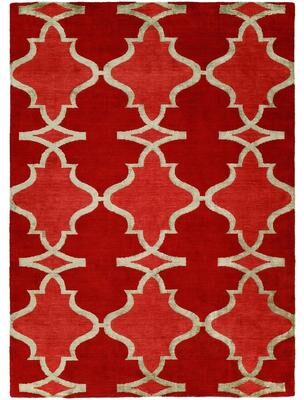
KALATY Portfolio Red Hot Handmade Area RugInvite vibrancy into your classic interior with the bold red motif of this area rug. The Handmade wool construction infuses warmth and texture into your room, and the touch of silkette adds a silky sheen.279,99 $*Shipping: 0,00 $Secure redirect to the provider
-
SAGE Publications Case Study Research and Applications: Design and MethodsRecognized as one of the most cited methodology books in the social sciences, the Sixth Edition of Robert K. Yin′s bestselling text provides a complete portal to the world of case study research. With the integration of 11 applications in this edition, the book gives readers access to exemplary case studies drawn from a wide variety of academic and applied fields. Ultimately, Case Study Research and Applications will guide students in the successful use and application of the case study research method.59,99 £*Shipping: 0,00 £Secure redirect to the provider
-
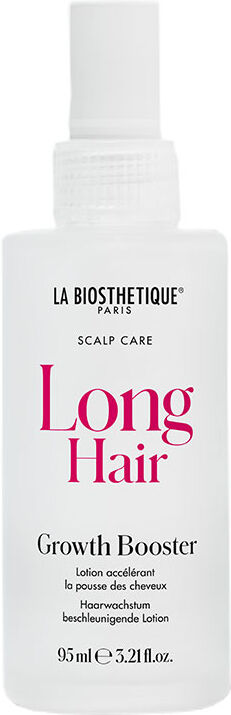
La Biosthetique Long Hair Growth Booster 95mlLa Biosthetique Long Hair Growth Booster is a potent formula to encourage healthy hair growth by targeting the roots. Keratin building blocks stimulate the hair roots, while an energy mix of glycogen and creatine significantly increases their cell activity*. This increases the hair’s growth rate by 67%**. Trace elements from coral and biotin result in healthy growth and boost the formation of stable, strong hair.Enriched with Wheat bran extract to help reduce the deposition of pollution particles on the scalp promoting a healthy scalp and healthy hair. *According to an in vitro study, the cell division rate increases by more than 98% compared to a placebo solution, source: BASF AG raw materials documentation **Result of a clinical study compared to a placebo solution, source: Sederma GmbH Key Ingredients • The keratin building blocks arginine, lysine and aspartic acid • Energy mix of glycogen and creatine • Trace elements of coral and biotin • Apigenin, oleanolic acid, Vitamin B12 • Wheat bran extract63,25 £*Shipping: 0,00 £Secure redirect to the provider


-
What are partitive articles in the French language?
Partitive articles in French are used to indicate an unspecified quantity of a noun. They are used when referring to a portion or some of a mass noun, such as food or liquid. The partitive articles in French are "du" (for masculine nouns), "de la" (for feminine nouns), and "de l'" (for nouns starting with a vowel or silent "h"). These articles are essential for expressing the concept of some or any in French. **
-
What is the rule for the partitive article?
The rule for the partitive article in French is to use "de" followed by the definite article (le, la, les) to indicate an unspecified quantity or some of a mass noun. For example, "du" is used for masculine singular nouns, "de la" for feminine singular nouns, and "des" for plural nouns. The partitive article is used when referring to an unknown or unspecified quantity of something. **
-
How do you form the genitive partitive in Latin?
In Latin, the genitive partitive is formed by using the genitive case of the noun followed by the word "partis" or "partis" (depending on the gender of the noun) to indicate a part of the whole. For example, if the noun is "puella" (girl), the genitive partitive would be "puellae partis" to indicate "part of the girl." This construction is used to express the idea of "some of" or "a part of" something. **
-
What are partitive articles and quantity increases in French?
Partitive articles in French are used to indicate an unspecified quantity of a noun. They are used with uncountable nouns or when referring to a portion of something. Quantity increases in French involve using words like "plus de" (more), "beaucoup de" (a lot of), or "trop de" (too much) to indicate an increase in the quantity of something. These expressions are used to specify a larger amount of a noun compared to using just the partitive article. **

When do you use the partitive article in French?
The partitive article in French is used to indicate an unspecified quantity of a mass noun. It is used when referring to a part of a whole, or an unspecified amount of something. For example, "du" is used for masculine nouns, "de la" for feminine nouns, and "de l'" for nouns starting with a vowel or silent "h". It is important to use the partitive article when talking about food, drinks, or other uncountable nouns in French. **
Can you please help me with the partitive article?
The partitive article is used in French to indicate an unspecified quantity of something. It is often used with uncountable nouns to express "some" or "any" in English. The partitive article changes depending on the gender and number of the noun it precedes. For example, "du" is used before masculine singular nouns, "de la" before feminine singular nouns, and "des" before plural nouns. It is important to use the correct partitive article to indicate the appropriate quantity in French. **
Top-Angebote
Products related to Partitive:
-
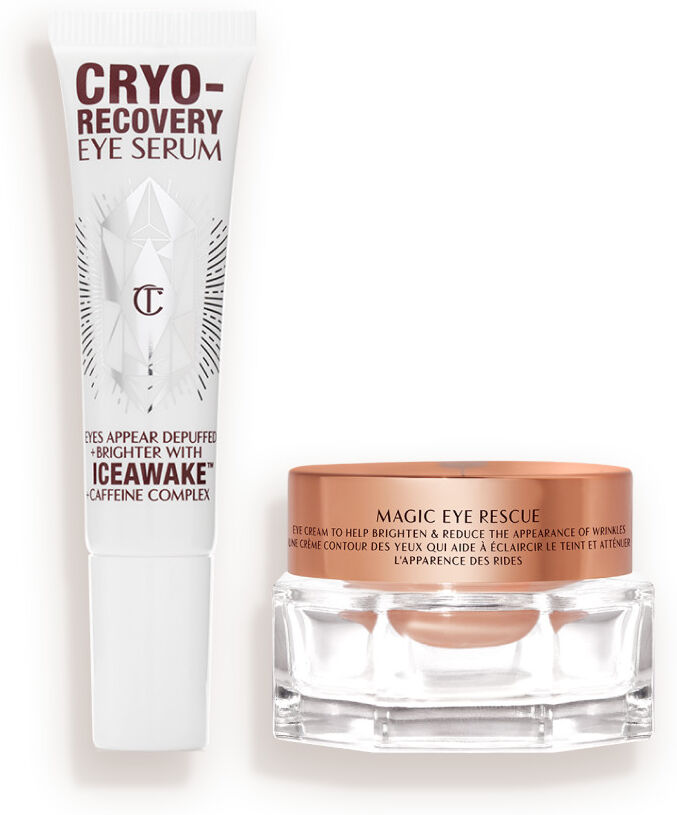
Research-powered Eye Duo - Skincare Kit Charlotte Tilbury 3265 Charlotte's Research-powered Eye Duo Size:Darlings, unlock the secret to eyes that appear brighter, depuffed, smoother and younger with my Research-Powered Eye Duo! This CharlotteTilbury.com EXCLUSIVE skincare duo includes:94,05 £*Shipping: 0,00 £Secure redirect to the provider
-
Penguin Feel Great Lose Weight: Long term, simple habits for lasting and sustainable weight lossTHE LATEST BOOK FROM THE AUTHOR OF THE SUNDAY TIMES #1 BESTSELLER FEEL BETTER IN 5'This is not a diet book. This is a whole new way of looking at what, why and how we eat and helps you design your own plan to build a better, healthier relationship with food' Fearne Cotton'A book with practical simple tips for everyone!' Tim Spector'It is a beautiful book and has so much in it to help us feel good and prioritise our happiness and health' Dr Gemma Newman'One of the most influential doctors in the country' Chris Evans _________________________________________________________________________It's more important than ever before that we get in shape, stay healthy and live well - Dr Chatterjee is back to show you how. Weight loss isn't a race. It isn't one size fits all. Drawing on twenty years of experience as a GP, Dr Rangan Chatterjee has created a conscious, long-lasting approach to weight loss that goes far beyond fad diets and helps to find the best solutions that work for you. Packed with quick and easy interventions this book will help you: 1. Understand the effects of what, why, when, where and how we eat2. Discover the root cause of your weight gain3. Nourish your body without any crash diets or gruelling workouts 4. Build a toolbox of techniques to help you lose weight, for goodWith Feel Great, Lose Weight you can make sustainable, medically-approved lifestyle changes and become a more energised, confident and healthy you. _________________________________________________________________________ 'A blame-free book' Telegraph'This book is extremely practical, insightful and easy-to-follow' The Happy Pears12,95 £*Shipping: 2,99 £Secure redirect to the provider
-
KALATY Portfolio Red Hot Handmade Area RugInvite vibrancy into your classic interior with the bold red motif of this area rug. The Handmade wool construction infuses warmth and texture into your room, and the touch of silkette adds a silky sheen.279,99 $*Shipping: 0,00 $Secure redirect to the provider
-
How is the partitive formed?
The partitive is formed in French by using the preposition "de" followed by the definite article "le," "la," or "les." This combination contracts to form "du," "de la," or "des" before a singular or plural noun, respectively. For example, "some bread" is "du pain" and "some apples" is "des pommes." The partitive is used to indicate an unspecified quantity or portion of a mass noun. **
-
What is the French partitive article?
The French partitive article is used to indicate an unspecified quantity of a noun that cannot be counted. It is formed by combining the preposition "de" with the definite article corresponding to the noun's gender and number. For example, "du" is used with masculine singular nouns, "de la" with feminine singular nouns, and "des" with plural nouns. The partitive article is used in French to express concepts like some, any, or a part of something. **
-
What are partitive articles in the French language?
Partitive articles in French are used to indicate an unspecified quantity of a noun. They are used when referring to a portion or some of a mass noun, such as food or liquid. The partitive articles in French are "du" (for masculine nouns), "de la" (for feminine nouns), and "de l'" (for nouns starting with a vowel or silent "h"). These articles are essential for expressing the concept of some or any in French. **
-
What is the rule for the partitive article?
The rule for the partitive article in French is to use "de" followed by the definite article (le, la, les) to indicate an unspecified quantity or some of a mass noun. For example, "du" is used for masculine singular nouns, "de la" for feminine singular nouns, and "des" for plural nouns. The partitive article is used when referring to an unknown or unspecified quantity of something. **
Similar search terms for Partitive
-
SAGE Publications Case Study Research and Applications: Design and MethodsRecognized as one of the most cited methodology books in the social sciences, the Sixth Edition of Robert K. Yin′s bestselling text provides a complete portal to the world of case study research. With the integration of 11 applications in this edition, the book gives readers access to exemplary case studies drawn from a wide variety of academic and applied fields. Ultimately, Case Study Research and Applications will guide students in the successful use and application of the case study research method.59,99 £*Shipping: 0,00 £Secure redirect to the provider
-
La Biosthetique Long Hair Growth Booster 95mlLa Biosthetique Long Hair Growth Booster is a potent formula to encourage healthy hair growth by targeting the roots. Keratin building blocks stimulate the hair roots, while an energy mix of glycogen and creatine significantly increases their cell activity*. This increases the hair’s growth rate by 67%**. Trace elements from coral and biotin result in healthy growth and boost the formation of stable, strong hair.Enriched with Wheat bran extract to help reduce the deposition of pollution particles on the scalp promoting a healthy scalp and healthy hair. *According to an in vitro study, the cell division rate increases by more than 98% compared to a placebo solution, source: BASF AG raw materials documentation **Result of a clinical study compared to a placebo solution, source: Sederma GmbH Key Ingredients • The keratin building blocks arginine, lysine and aspartic acid • Energy mix of glycogen and creatine • Trace elements of coral and biotin • Apigenin, oleanolic acid, Vitamin B12 • Wheat bran extract63,25 £*Shipping: 0,00 £Secure redirect to the provider
-
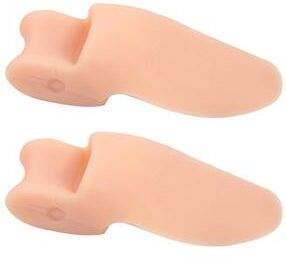
Lush Living Finds Perfect Soft Big Toe Corrector For Night Use, Long Term Comfort At Home skin ColorRelieve Toe Pain with Soft Big Toe Corrector Looking for a way to soothe and relieve discomfort in your toes The Soft Big Toe Corrector is the perfect solution for night and home use, providing longterm comfort while you relax. Crafted with soft,...34,97 $*Shipping: 0,00 $Secure redirect to the provider
-
Healfit Counter Soft Big Toe Corrector, Perfect For Night And Home Use, Long term Relief From Bunions whiteDiscover lasting comfort and support with our 2pcs Soft Big Toe Correctoryour gentle, nonsurgical solution to get relief from bunions. Designed for both night and home use, this toe straightener delivers longterm comfort and alignment benefits in a...21,97 $*Shipping: 0,00 $Secure redirect to the provider
-
How do you form the genitive partitive in Latin?
In Latin, the genitive partitive is formed by using the genitive case of the noun followed by the word "partis" or "partis" (depending on the gender of the noun) to indicate a part of the whole. For example, if the noun is "puella" (girl), the genitive partitive would be "puellae partis" to indicate "part of the girl." This construction is used to express the idea of "some of" or "a part of" something. **
-
What are partitive articles and quantity increases in French?
Partitive articles in French are used to indicate an unspecified quantity of a noun. They are used with uncountable nouns or when referring to a portion of something. Quantity increases in French involve using words like "plus de" (more), "beaucoup de" (a lot of), or "trop de" (too much) to indicate an increase in the quantity of something. These expressions are used to specify a larger amount of a noun compared to using just the partitive article. **
-
When do you use the partitive article in French?
The partitive article in French is used to indicate an unspecified quantity of a mass noun. It is used when referring to a part of a whole, or an unspecified amount of something. For example, "du" is used for masculine nouns, "de la" for feminine nouns, and "de l'" for nouns starting with a vowel or silent "h". It is important to use the partitive article when talking about food, drinks, or other uncountable nouns in French. **
-
Can you please help me with the partitive article?
The partitive article is used in French to indicate an unspecified quantity of something. It is often used with uncountable nouns to express "some" or "any" in English. The partitive article changes depending on the gender and number of the noun it precedes. For example, "du" is used before masculine singular nouns, "de la" before feminine singular nouns, and "des" before plural nouns. It is important to use the correct partitive article to indicate the appropriate quantity in French. **
* All prices are inclusive of VAT and, if applicable, plus shipping costs. The offer information is based on the details provided by the respective shop and is updated through automated processes. Real-time updates do not occur, so deviations can occur in individual cases. ** Note: Parts of this content were created by AI.