Buy investingtips.eu ?
We are moving the project
investingtips.eu .
Are you interested in purchasing the domain
investingtips.eu ?
domain@kv-gmbh.de · 0541-91531010
Buy investingtips.eu ?
What is the difference between electrode deposition and electrode sedimentation?
Electrode deposition and electrode sedimentation are both processes used to coat a substrate with a layer of material through electrochemical methods. The main difference between the two is the mechanism by which the material is deposited onto the substrate. In electrode deposition, the material is directly deposited onto the substrate through the application of an electric current, while in electrode sedimentation, the material is first dispersed in a solution and then allowed to settle onto the substrate through gravity or other external forces. Overall, electrode deposition is a more controlled and precise process, while electrode sedimentation is more reliant on the settling behavior of the dispersed material. **
Is electrode welding dangerous for beginners?
Electrode welding can be dangerous for beginners if proper safety precautions are not followed. The high temperatures and intense light produced during the welding process can cause burns, eye damage, and exposure to harmful fumes. Beginners should receive proper training and guidance on how to use welding equipment safely, as well as wear appropriate protective gear such as welding helmets, gloves, and clothing. With the right safety measures in place, beginners can learn electrode welding safely and effectively. **
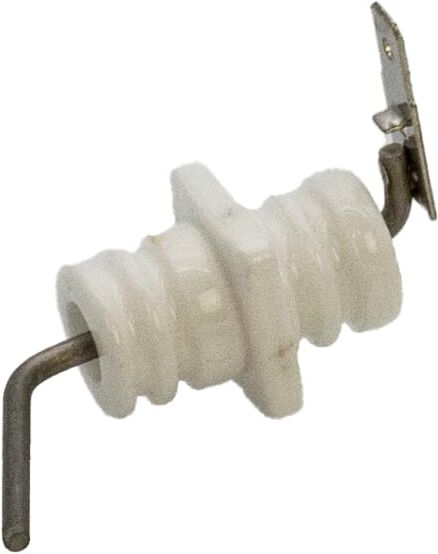

Similar search terms for Rinnai-Replacement-K26i-Electrode
Top-Angebote
Products related to Rinnai-Replacement-K26i-Electrode:
-
Rinnai Replacement K26i Front PanelRinnai K26i Front Panel Replacement (P26IKM-006) A cracked, faded, or damaged front panel on a Rinnai K26i continuous flow water heater is more than a cosmetic problem — the casing keeps rain, dust, and general weathering off the internal components underneath. This is the genuine Rinnai replacement panel, made to the same OEM specification as the one fitted at the factory, so it fits and seals as it should rather than approximating the original. It's a straightforward fit for engineers refreshing an older unit's appearance or replacing a panel damaged during a repair or accidental impact, and because it's a genuine part rather than a generic equivalent, there's no guesswork on fit or finish. ⚠ Warning: This part should only be installed by a Gas Safe registered engineer with a good understanding of the appliance's constr56,40 £*Shipping: 5,00 £Secure redirect to the provider
-
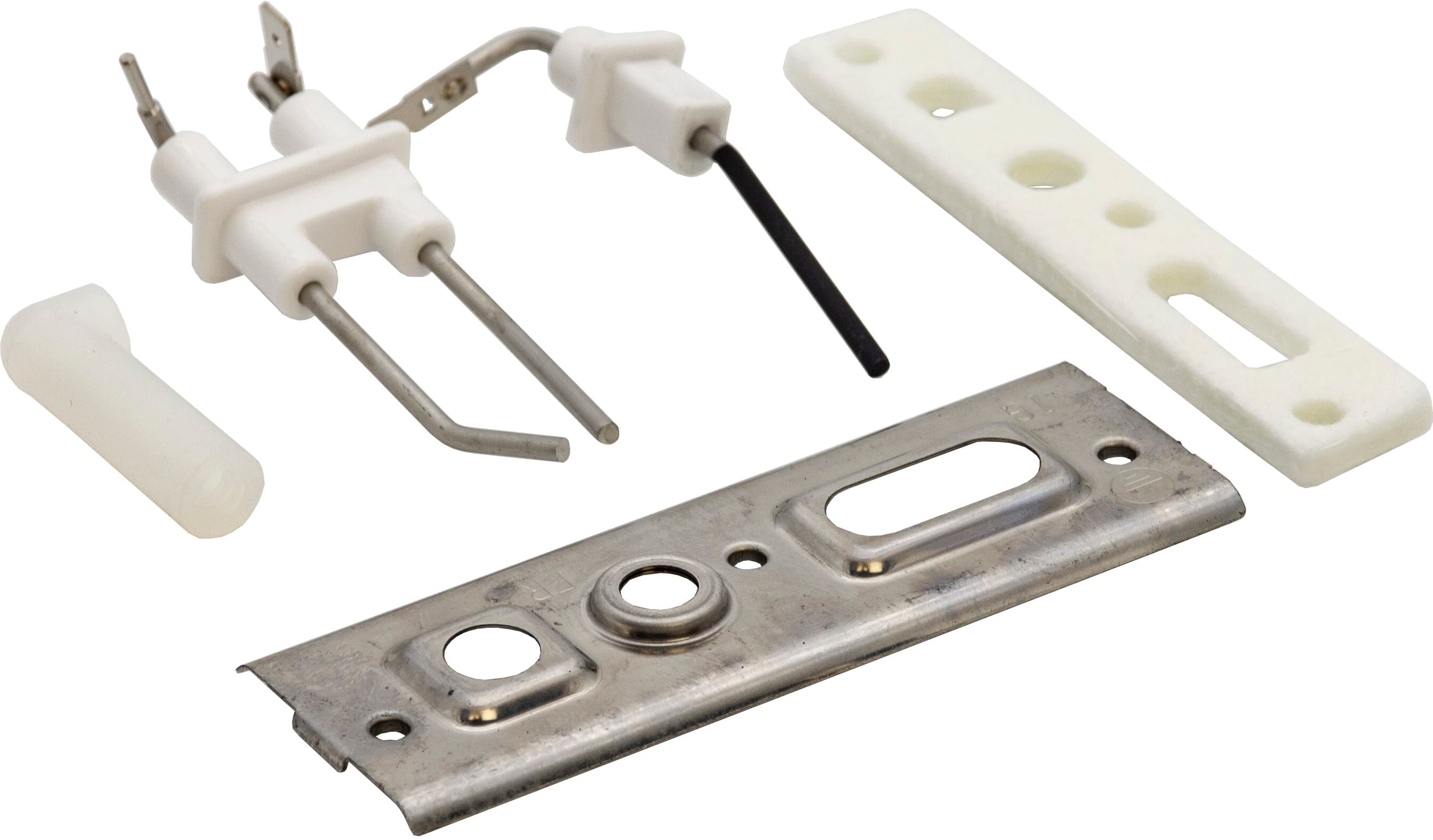
Rinnai HD55i Replacement Electrode KitRinnai HD55i Replacement Electrode Kit. Specially designed for the Rinnai HD55i model, this replacement part ensures your water heating system operates at its best. Benefits of Regular Maintenance: Enhanced Efficiency: Regular servicing can ensure that your water heater operates at peak efficiency, reducing energy bills. Longer Lifespan: Preventing buildup and replacing worn-out parts can significantly extend the life of your water heater. Safety: Ensuring that your appliance is in top condition minimizes the risk of leaks or malfunctions. Installation & Safety: Always ensure that installation and servicing are carried out by a qualified technician familiar with Rinnai products. Turn off the gas supply and disconnect power before b47,34 £*Shipping: 5,00 £Secure redirect to the provider
-
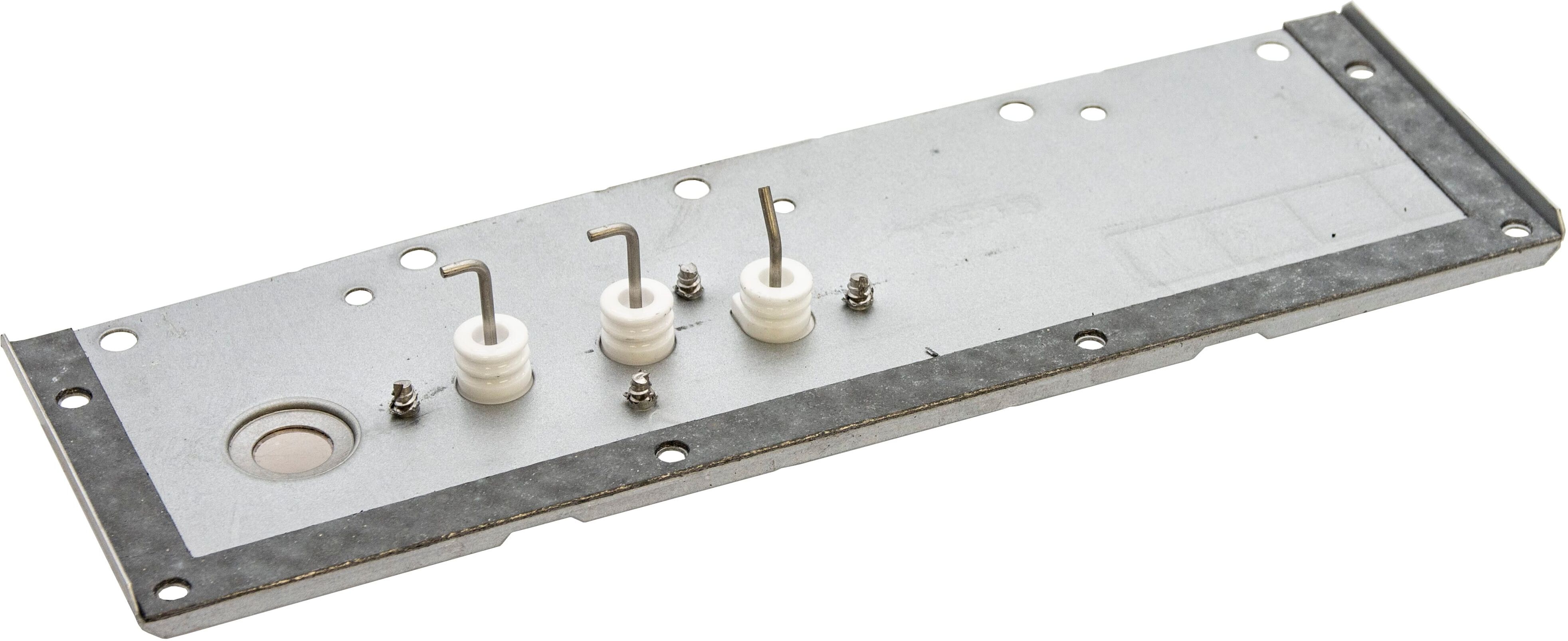
Rinnai N Series Replacement Electrode AssemblyRinnai N Series Replacement Electrode Assembly (PN-150) The electrode assembly on a Rinnai N Series water heater generates the spark that ignites the burner and monitors the flame afterwards to confirm safe combustion. It's a small component doing two jobs at once, and the whole ignition sequence depends on it working correctly. This genuine Rinnai electrode assembly is made to the original specification, restoring reliable spark ignition and accurate flame sensing where the original has worn or become fouled with use. Electrodes are a routine wear item, so it's worth checking their condition during servicing and replacing them before they start causing ignition faults rather than after. ⚠ Important: Installation and servicing must be carried out by a qualified technician familiar with Rinnai products. Turn off the gas supp61,98 £*Shipping: 5,00 £Secure redirect to the provider
-
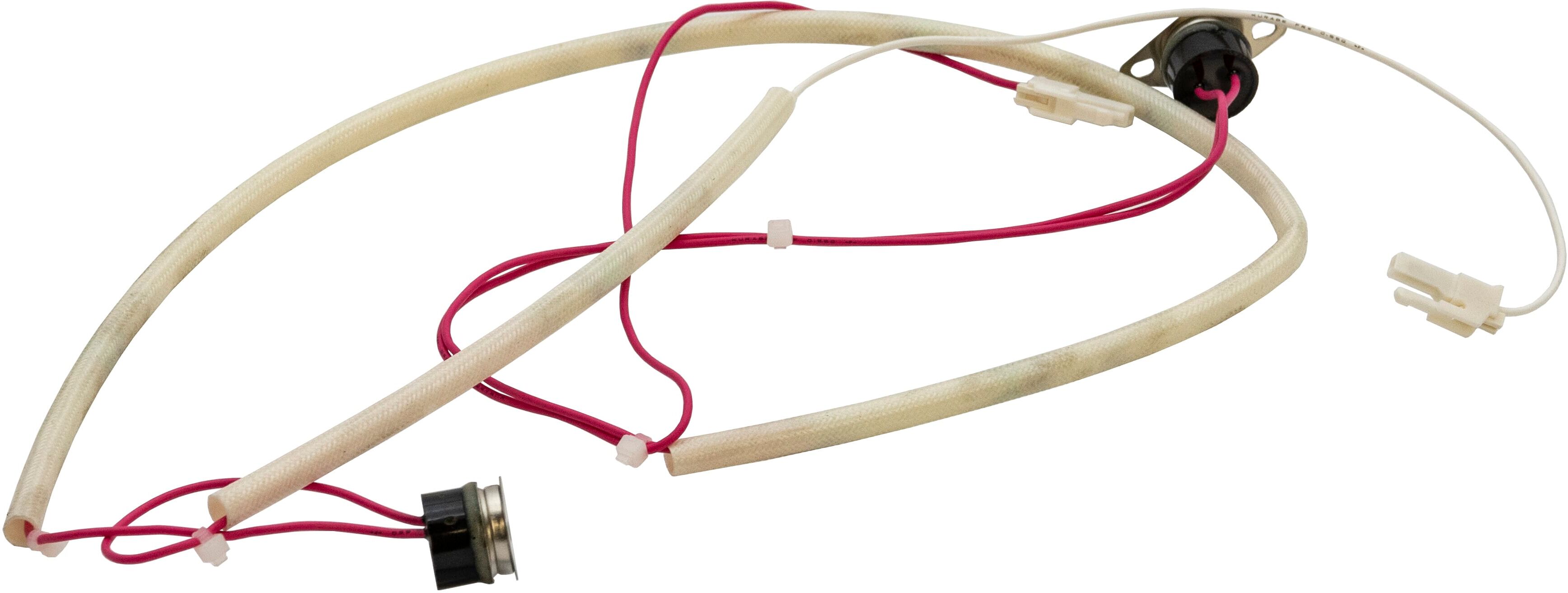
Rinnai K26i Thermal Fuse Harness AssemblyRinnai K26i Thermal Fuse Harness Assembly (P26IKM-725) The thermal fuse on a Rinnai K26i continuous flow water heater is a critical overheat safety device, and this harness is what connects it to the control system so the appliance can shut down safely if it overheats. Without a sound connection between the two, that safety monitoring can't function as intended. This is the genuine Rinnai harness, made to the same specification as the original fitted at the factory, restoring proper communication between the thermal fuse and the control electronics. Where the original harness has failed, corroded, or been damaged, replacing it with the genuine part puts the safety circuit back to full working order and keeps the appliance compliant with the safety monitoring it was designed around. ⚠ Important: This is a safety-critical com28,80 £*Shipping: 5,00 £Secure redirect to the provider

-
What is the standard electrode potential?
The standard electrode potential is a measure of the tendency of an electrode to gain or lose electrons when it is in contact with a solution of its own ions. It is measured under standard conditions, which include a concentration of 1 mol/L for all ions involved, a pressure of 1 atm for gases, and a temperature of 25°C. The standard electrode potential is used to compare the reactivity of different electrodes and to predict the direction of redox reactions. It is also used to calculate the electromotive force (EMF) of a cell. **
-
Which tungsten electrode is used for welding?
The most commonly used tungsten electrode for welding is the thoriated tungsten electrode, which is also known as 2% thoriated tungsten. This electrode is popular for its ability to maintain a stable arc and its high resistance to thermal shock, making it suitable for both AC and DC welding applications. Additionally, it has a long lifespan and can be used for welding a variety of metals, including steel, stainless steel, and nickel alloys. **
-
How does electrode welding with gap work?
Electrode welding with gap works by creating an arc between the welding electrode and the workpiece, which generates intense heat to melt the metal and create a weld. The gap between the electrode and the workpiece allows for better control of the welding process and helps to prevent sticking of the electrode to the workpiece. The gap also allows for better penetration of the weld into the workpiece, resulting in a stronger and more reliable weld. This method is commonly used in manual metal arc welding processes. **
-
What is a healthier or better long-term replacement for sugar?
A healthier long-term replacement for sugar is natural sweeteners such as stevia, monk fruit, or erythritol. These sweeteners are low in calories and do not cause spikes in blood sugar levels, making them suitable for people with diabetes or those looking to reduce their sugar intake. Additionally, using natural sweeteners can help reduce the risk of developing health issues associated with excessive sugar consumption, such as obesity, heart disease, and dental problems. It's important to note that moderation is key when using any sweetener, natural or artificial. **

What belongs to long-term assets?
Long-term assets typically include items such as property, plant, and equipment, investments in other companies, intangible assets like patents or trademarks, and long-term investments. These assets are expected to provide benefits to the company for more than one year and are not intended for immediate sale or conversion into cash. Long-term assets are essential for the company's operations and growth over an extended period. **
How can electrodes be saved during electrode welding?
Electrodes can be saved during electrode welding by using proper welding techniques such as maintaining the correct arc length, angle, and travel speed. It is important to ensure that the electrode is not overheated or stuck to the workpiece, as this can lead to excessive consumption of the electrode. Additionally, using the appropriate electrode size and type for the specific welding application can help prolong the life of the electrode. Regularly cleaning the electrode and removing any slag buildup can also help extend its lifespan. **
Top-Angebote
Products related to Rinnai-Replacement-K26i-Electrode:
-
Rinnai Replacement K26i ElectrodeRinnai Replacement K26i Electrode - (P26IV-117A) The electrode in a Rinnai K26i continuous flow water heater does two jobs at once — it generates the spark that ignites the burner, and it monitors the flame afterwards to confirm combustion is taking place safely. It's a small component, but the whole ignition sequence depends on it working correctly. Made to Rinnai's own specification, this replacement electrode restores reliable spark ignition and accurate flame sensing where the original has worn or become fouled with use. Electrodes are a routine wear item, so it's worth checking the condition of the tip during servicing and replacing it before it starts causing ignition faults rather than after. ⚠ Important: This part should only be installed or serviced by a Gas Safe registered engineer or suitably qualified professi13,20 £*Shipping: 5,00 £Secure redirect to the provider
-
Rinnai K26i Thermistor – Genuine ReplacementRinnai K26i Thermistor (P26IV-709) The thermistor in a Rinnai K26i continuous flow water heater is what tells the appliance how hot or cold the water actually is. Without an accurate reading, the control system has no reliable basis for managing the burner, which is exactly the situation you don't want in a gas-fired appliance. Thermistors play a central role in keeping the burner running correctly and preventing the unit from overheating. If the sensor fails or starts giving inaccurate readings, the typical result is temperature swings, erratic heating cycles, or fault codes appearing on the display. This genuine Rinnai K26i thermistor, made to the original specification, restores accurate temperature monitoring and lets the control system manage the burner as intended. ⚠ Important: This part should only be installed by a14,52 £*Shipping: 5,00 £Secure redirect to the provider
-
Rinnai Replacement K26i Front PanelRinnai K26i Front Panel Replacement (P26IKM-006) A cracked, faded, or damaged front panel on a Rinnai K26i continuous flow water heater is more than a cosmetic problem — the casing keeps rain, dust, and general weathering off the internal components underneath. This is the genuine Rinnai replacement panel, made to the same OEM specification as the one fitted at the factory, so it fits and seals as it should rather than approximating the original. It's a straightforward fit for engineers refreshing an older unit's appearance or replacing a panel damaged during a repair or accidental impact, and because it's a genuine part rather than a generic equivalent, there's no guesswork on fit or finish. ⚠ Warning: This part should only be installed by a Gas Safe registered engineer with a good understanding of the appliance's constr56,40 £*Shipping: 5,00 £Secure redirect to the provider
-
Rinnai HD55i Replacement Electrode KitRinnai HD55i Replacement Electrode Kit. Specially designed for the Rinnai HD55i model, this replacement part ensures your water heating system operates at its best. Benefits of Regular Maintenance: Enhanced Efficiency: Regular servicing can ensure that your water heater operates at peak efficiency, reducing energy bills. Longer Lifespan: Preventing buildup and replacing worn-out parts can significantly extend the life of your water heater. Safety: Ensuring that your appliance is in top condition minimizes the risk of leaks or malfunctions. Installation & Safety: Always ensure that installation and servicing are carried out by a qualified technician familiar with Rinnai products. Turn off the gas supply and disconnect power before b47,34 £*Shipping: 5,00 £Secure redirect to the provider
-
What is the difference between electrode deposition and electrode sedimentation?
Electrode deposition and electrode sedimentation are both processes used to coat a substrate with a layer of material through electrochemical methods. The main difference between the two is the mechanism by which the material is deposited onto the substrate. In electrode deposition, the material is directly deposited onto the substrate through the application of an electric current, while in electrode sedimentation, the material is first dispersed in a solution and then allowed to settle onto the substrate through gravity or other external forces. Overall, electrode deposition is a more controlled and precise process, while electrode sedimentation is more reliant on the settling behavior of the dispersed material. **
-
Is electrode welding dangerous for beginners?
Electrode welding can be dangerous for beginners if proper safety precautions are not followed. The high temperatures and intense light produced during the welding process can cause burns, eye damage, and exposure to harmful fumes. Beginners should receive proper training and guidance on how to use welding equipment safely, as well as wear appropriate protective gear such as welding helmets, gloves, and clothing. With the right safety measures in place, beginners can learn electrode welding safely and effectively. **
-
What is the standard electrode potential?
The standard electrode potential is a measure of the tendency of an electrode to gain or lose electrons when it is in contact with a solution of its own ions. It is measured under standard conditions, which include a concentration of 1 mol/L for all ions involved, a pressure of 1 atm for gases, and a temperature of 25°C. The standard electrode potential is used to compare the reactivity of different electrodes and to predict the direction of redox reactions. It is also used to calculate the electromotive force (EMF) of a cell. **
-
Which tungsten electrode is used for welding?
The most commonly used tungsten electrode for welding is the thoriated tungsten electrode, which is also known as 2% thoriated tungsten. This electrode is popular for its ability to maintain a stable arc and its high resistance to thermal shock, making it suitable for both AC and DC welding applications. Additionally, it has a long lifespan and can be used for welding a variety of metals, including steel, stainless steel, and nickel alloys. **
Similar search terms for Rinnai-Replacement-K26i-Electrode
-
Rinnai N Series Replacement Electrode AssemblyRinnai N Series Replacement Electrode Assembly (PN-150) The electrode assembly on a Rinnai N Series water heater generates the spark that ignites the burner and monitors the flame afterwards to confirm safe combustion. It's a small component doing two jobs at once, and the whole ignition sequence depends on it working correctly. This genuine Rinnai electrode assembly is made to the original specification, restoring reliable spark ignition and accurate flame sensing where the original has worn or become fouled with use. Electrodes are a routine wear item, so it's worth checking their condition during servicing and replacing them before they start causing ignition faults rather than after. ⚠ Important: Installation and servicing must be carried out by a qualified technician familiar with Rinnai products. Turn off the gas supp61,98 £*Shipping: 5,00 £Secure redirect to the provider
-
Rinnai K26i Thermal Fuse Harness AssemblyRinnai K26i Thermal Fuse Harness Assembly (P26IKM-725) The thermal fuse on a Rinnai K26i continuous flow water heater is a critical overheat safety device, and this harness is what connects it to the control system so the appliance can shut down safely if it overheats. Without a sound connection between the two, that safety monitoring can't function as intended. This is the genuine Rinnai harness, made to the same specification as the original fitted at the factory, restoring proper communication between the thermal fuse and the control electronics. Where the original harness has failed, corroded, or been damaged, replacing it with the genuine part puts the safety circuit back to full working order and keeps the appliance compliant with the safety monitoring it was designed around. ⚠ Important: This is a safety-critical com28,80 £*Shipping: 5,00 £Secure redirect to the provider
-
Rinnai HD55i Replacement Outlet ThermistorRinnai HD55i Replacement Outlet Thermistor. Specially designed for the Rinnai HD55i model, this replacement part ensures your water heating system operates at its best. Benefits of Regular Maintenance: Enhanced Efficiency: Regular servicing can ensure that your water heater operates at peak efficiency, reducing energy bills. Longer Lifespan: Preventing buildup and replacing worn-out parts can significantly extend the life of your water heater. Safety: Ensuring that your appliance is in top condition minimizes the risk of leaks or malfunctions. Installation & Safety: Always ensure that installation and servicing are carried out by a qualified technician familiar with Rinnai products. Turn off the gas supply and disconnect power befo31,50 £*Shipping: 5,00 £Secure redirect to the provider
-
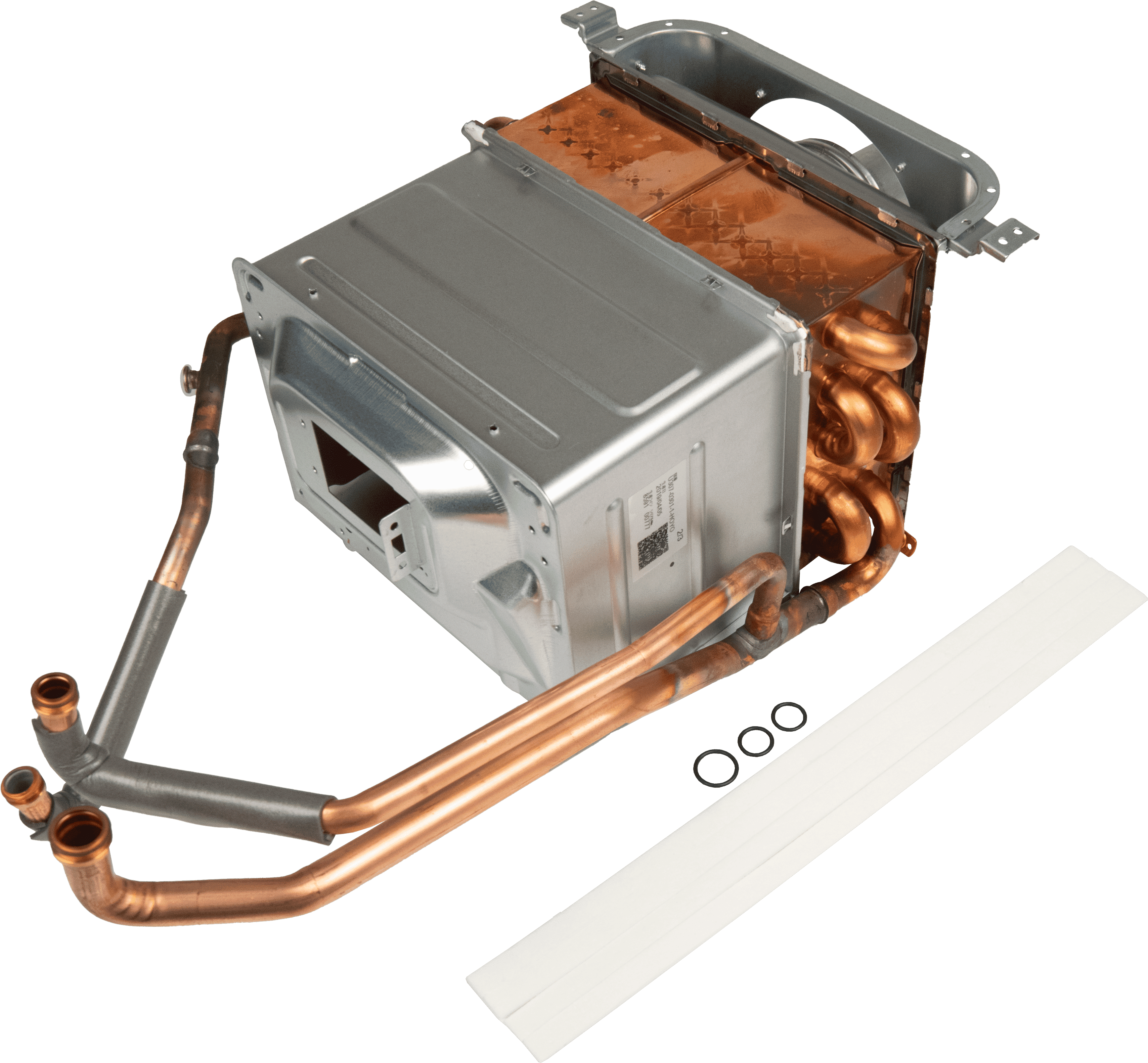
Rinnai HD55i Replacement Heat ExchangerRinnai HD55i Replacement Heat Exchanger. Specially designed for the Rinnai HD55i model, this replacement part ensures your water heating system operates at its best. Benefits of Regular Maintenance: Enhanced Efficiency: Regular servicing can ensure that your water heater operates at peak efficiency, reducing energy bills. Longer Lifespan: Preventing buildup and replacing worn-out parts can significantly extend the life of your water heater. Safety: Ensuring that your appliance is in top condition minimizes the risk of leaks or malfunctions. Installation & Safety: Always ensure that installation and servicing are carried out by a qualified technician familiar with Rinnai products. Turn off the gas supply and disconnect power before751,49 £*Shipping: 0,00 £Secure redirect to the provider
-
How does electrode welding with gap work?
Electrode welding with gap works by creating an arc between the welding electrode and the workpiece, which generates intense heat to melt the metal and create a weld. The gap between the electrode and the workpiece allows for better control of the welding process and helps to prevent sticking of the electrode to the workpiece. The gap also allows for better penetration of the weld into the workpiece, resulting in a stronger and more reliable weld. This method is commonly used in manual metal arc welding processes. **
-
What is a healthier or better long-term replacement for sugar?
A healthier long-term replacement for sugar is natural sweeteners such as stevia, monk fruit, or erythritol. These sweeteners are low in calories and do not cause spikes in blood sugar levels, making them suitable for people with diabetes or those looking to reduce their sugar intake. Additionally, using natural sweeteners can help reduce the risk of developing health issues associated with excessive sugar consumption, such as obesity, heart disease, and dental problems. It's important to note that moderation is key when using any sweetener, natural or artificial. **
-
What belongs to long-term assets?
Long-term assets typically include items such as property, plant, and equipment, investments in other companies, intangible assets like patents or trademarks, and long-term investments. These assets are expected to provide benefits to the company for more than one year and are not intended for immediate sale or conversion into cash. Long-term assets are essential for the company's operations and growth over an extended period. **
-
How can electrodes be saved during electrode welding?
Electrodes can be saved during electrode welding by using proper welding techniques such as maintaining the correct arc length, angle, and travel speed. It is important to ensure that the electrode is not overheated or stuck to the workpiece, as this can lead to excessive consumption of the electrode. Additionally, using the appropriate electrode size and type for the specific welding application can help prolong the life of the electrode. Regularly cleaning the electrode and removing any slag buildup can also help extend its lifespan. **
* All prices are inclusive of VAT and, if applicable, plus shipping costs. The offer information is based on the details provided by the respective shop and is updated through automated processes. Real-time updates do not occur, so deviations can occur in individual cases. ** Note: Parts of this content were created by AI.