Buy investingtips.eu ?
We are moving the project
investingtips.eu .
Are you interested in purchasing the domain
investingtips.eu ?
domain@kv-gmbh.de · 0541-91531010
Buy investingtips.eu ?
What is the research question in psychology?
The research question in psychology is a specific inquiry that a researcher aims to answer through systematic investigation and analysis. It typically focuses on understanding human behavior, cognition, emotions, or mental processes. Research questions in psychology are designed to be clear, specific, and testable, guiding the research process and helping to generate new knowledge and insights in the field. By formulating research questions, psychologists can explore various phenomena, theories, and hypotheses to advance our understanding of the human mind and behavior. **
What are possible research topics in psychology?
Possible research topics in psychology include studying the effects of social media on mental health, exploring the impact of childhood trauma on adult relationships, investigating the effectiveness of different therapy techniques for treating anxiety disorders, examining the relationship between personality traits and academic success, and researching the factors that contribute to the development of eating disorders. These topics offer a wide range of opportunities for researchers to deepen our understanding of human behavior and mental processes. **

Similar search terms for Psychology
Top-Angebote
Products related to Psychology:
-
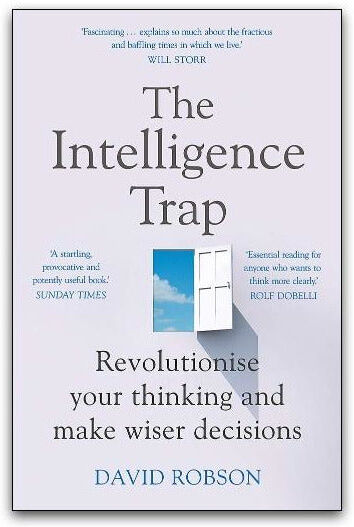
HODDER PUBLISHING David Robson, The Intelligence Trap, Psychology BooksDavid Robson, The Intelligence Trap, Psychology Books How was a brilliant physics professor tricked into carrying 2kg of cocaine across the Argentinian border? Why do doctors misdiagnose 10 to 15% of their patients? Why do Nobel Prize winners spread fake news? We assume that smarter people are less prone to error. But greater education and expertise can often amplify our mistakes while rendering us blind to our biases. This is the 'intelligence trap'. Drawing on the latest behavioural science and historical examples from Socrates to Benjamin Franklin, David Robson demonstrates how to apply our intelligence more wisely; identify bias and enhance our 'rationality quotient'; read and regulate our emotions; fine-tune our intuition; navigate ambiguity and uncertainty; and think more flexibly about seemingly intractable problems. The twenty-first century presents us with complex problems that demand a wiser way of thinking. Whether you are a NASA scientist or a school student, The Intelligence Trap offers a new cognitive toolkit to realise your full potential.1,99 £*Shipping: 1,99 £Secure redirect to the provider
-
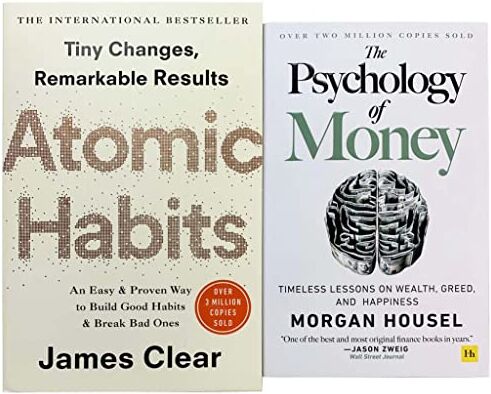
Random House Business/Harriman House ltd Atomic Habits & The Psychology of Money – 2 Books Collection Set Personal Growth, Wealth & Mindset BestsellersAtomic Habits People think that when you want to change your life, you need to think big. But world-renowned habits expert James Clear has discovered another way. He knows that real change comes from the compound effect of hundreds of small decisions: doing two push-ups a day, waking up five minutes early, or holding a single short phone call. He calls them atomic habits. In this ground-breaking book, Clears reveals exactly how these minuscule changes can grow into such life-altering outcomes. He uncovers a handful of simple life hacks (the forgotten art of Habit Stacking, the unexpected power of the Two Minute Rule, or the trick to entering the Goldilocks Zone), and delves into cutting-edge psychology and neuroscience to explain why they matter. Along the way, he tells inspiring stories of Olympic gold medalists, leading CEOs, and distinguished scientists who have used the science of tiny habits to stay productive, motivated, and happy. The Psychology of Money Doing well with money isn't necessarily about what you know. It's about how you behave. And behaviour is hard to teach, even to really smart people. Money investing, personal finance, and business decisions is typically taught as a math-based field, where data and formulas tell us exactly what to do. But in the real world people don't make financial decisions on a spreadsheet. They make them at the dinner table, or in a meeting room, where personal history, your own unique view of the world, ego, pride, marketing, and odd incentives are scrambled together. In The Psychology of Money, award-winning author Morgan Housel shares 19 short stories exploring the strange ways people think about money and teaches you how to make better sense of one of life's most important topics.15,99 £*Shipping: 2,99 £Secure redirect to the provider
-
Uplift Essentials Mental Health & Psychology Motivational Sign Inspirational Modern Decor For Counseling & Classroom Corners Mental Health & Psychology Motivational Sign Inspirational Modern Decor For Counseling & Classroom Corners"Synchronize your sanctuary with the highdefinition, highvibration energy of our Psychology Motivational Decoration. Featuring a sophisticated ""mindfulminimalist"" silhouette, this professional plaque is designed to bring a ""calmluxe"" energy to your..."59,97 $*Shipping: 0,00 $Secure redirect to the provider
-
Uplifted Finds Mental Health Awareness Acrylic Sign Psychology Motivational Decor For Counseling, Classroom & Office Mental Health Awareness Acrylic Sign Psychology Motivational Decor For Counseling, Classroom & Office"Foster a culture of resilience and wellness with our Mental Health Gift. This premium psychology motivational decoration is the ultimate designer solution for creating a ""MindfulSanctuary"" or ""PositiveFocus"" atmosphere in any home. Featuring a..."71,97 $*Shipping: 0,00 $Secure redirect to the provider


-
What is the research question for a term paper on anxiety disorders in psychology?
The research question for a term paper on anxiety disorders in psychology could be: "What are the underlying causes and risk factors for different types of anxiety disorders, and how do they manifest in individuals?". This question would allow for an exploration of the various factors that contribute to the development of anxiety disorders, as well as an examination of the different ways in which these disorders can present in individuals. Additionally, it would provide an opportunity to investigate the effectiveness of different treatment approaches for anxiety disorders. **
-
What is a technical term in psychology?
A technical term in psychology is a specialized word or phrase that has a specific meaning within the field of psychology. These terms are often used to describe complex psychological concepts, theories, or processes. Examples of technical terms in psychology include "cognitive dissonance," "operant conditioning," and "schema." These terms are used by psychologists to communicate precise and specific information about psychological phenomena. **
-
Is it possible to conduct research in psychology without having completed a degree in psychology?
Yes, it is possible to conduct research in psychology without having completed a degree in psychology. However, having a degree in psychology or a related field can provide a strong foundation in research methods, ethics, and theory. Individuals without a degree in psychology can still conduct research by collaborating with researchers who have the necessary expertise, attending workshops or training programs, and self-studying relevant literature. It is important to ensure that the research is conducted ethically and follows established guidelines and protocols. **
-
What belongs to long-term assets?
Long-term assets typically include items such as property, plant, and equipment, investments in other companies, intangible assets like patents or trademarks, and long-term investments. These assets are expected to provide benefits to the company for more than one year and are not intended for immediate sale or conversion into cash. Long-term assets are essential for the company's operations and growth over an extended period. **
How can I formulate the research question in psychology?
Formulating a research question in psychology involves identifying a specific topic of interest and then narrowing it down to a focused and answerable question. Start by identifying a broad area of interest within psychology, such as cognitive psychology or social psychology. Then, narrow down the topic to a specific aspect or phenomenon that you want to investigate. Finally, formulate a clear and concise question that outlines the specific variables or concepts you want to study and the relationship between them. It's important to ensure that the research question is feasible, relevant, and contributes to the existing knowledge in the field. **
Can I write a research paper on criminal psychology?
Yes, you can definitely write a research paper on criminal psychology. Criminal psychology is a fascinating and important field that explores the intersection of psychology and criminal behavior. You can explore topics such as the psychological factors that contribute to criminal behavior, the role of mental illness in criminal acts, the effectiveness of psychological interventions in reducing criminal behavior, and much more. Just make sure to thoroughly research your topic and use credible sources to support your arguments. **
Top-Angebote
Products related to Psychology:
-
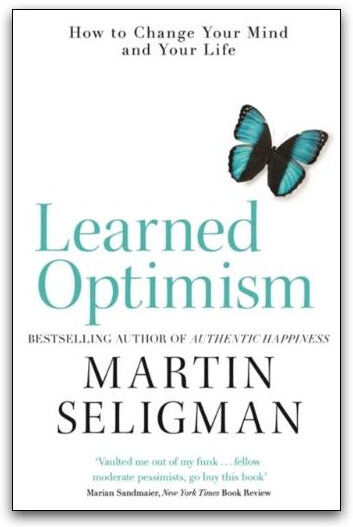
Nicholas Brealey Publishing Learned Optimism by Martin E. P. Seligman Positive Psychology, Resilience & Personal GrowthDiscover the life-changing power of positive thinking with Learned Optimism by renowned psychologist and positive psychology pioneer Martin E. P. Seligman. In this influential book, Seligman explains how optimism is not simply an inborn trait—it can be learned. Drawing on decades of psychological research, he introduces practical techniques to help readers recognize negative thought patterns, develop a more constructive outlook, and build resilience in the face of life's challenges. Whether you're looking to improve your mental wellbeing, boost confidence, manage setbacks, or achieve personal and professional success, Learned Optimism provides evidence-based strategies that can help you cultivate a healthier, more positive mindset. Why Readers Love This Book: Written by the founder of positive psychology Research-based techniques for building optimism and resilience Practical exercises to overcome negative thinking Helps improve confidence, wellbeing, and emotional strength Ideal for readers interested in psychology, self-improvement, and mental wellness A modern classic in psychology, Learned Optimism offers practical tools to help you develop a more resilient mindset and lead a happier, more fulfilling life.5,99 £*Shipping: 2,99 £Secure redirect to the provider
-
The Little Book of Psychology (DK Big Ideas Series)How does the brain remember faces? What makes us choose one decision over another? Where does language come from? Can we really measure intelligence? DK's The Little Book of Psychology answers all these questions and provides an insight into this fascinating field of science. Whether you are a student, an expert, a novice, or have a general interest in the human mind, this portable guide is the perfect choice to start exploring and understanding psychology. From cognitive to behavioural psychology, this stimulating guide covers all major schools in the field. It includes doctrines and quotes from major thinkers including Sigmund Freud, Noam Chomsky, and Kurt Lewin. Small biography boxes provide brief biographical details of all the thinkers. With the use of powerful and witty illustrations and easy and jargon-free explanations, The Little Book of Psychology demystifies hard-to-grasp concepts and shows how these ideas have shaped our knowledge of the human mind.5,99 £*Shipping: 2,99 £Secure redirect to the provider
-
HODDER PUBLISHING David Robson, The Intelligence Trap, Psychology BooksDavid Robson, The Intelligence Trap, Psychology Books How was a brilliant physics professor tricked into carrying 2kg of cocaine across the Argentinian border? Why do doctors misdiagnose 10 to 15% of their patients? Why do Nobel Prize winners spread fake news? We assume that smarter people are less prone to error. But greater education and expertise can often amplify our mistakes while rendering us blind to our biases. This is the 'intelligence trap'. Drawing on the latest behavioural science and historical examples from Socrates to Benjamin Franklin, David Robson demonstrates how to apply our intelligence more wisely; identify bias and enhance our 'rationality quotient'; read and regulate our emotions; fine-tune our intuition; navigate ambiguity and uncertainty; and think more flexibly about seemingly intractable problems. The twenty-first century presents us with complex problems that demand a wiser way of thinking. Whether you are a NASA scientist or a school student, The Intelligence Trap offers a new cognitive toolkit to realise your full potential.1,99 £*Shipping: 1,99 £Secure redirect to the provider
-
Random House Business/Harriman House ltd Atomic Habits & The Psychology of Money – 2 Books Collection Set Personal Growth, Wealth & Mindset BestsellersAtomic Habits People think that when you want to change your life, you need to think big. But world-renowned habits expert James Clear has discovered another way. He knows that real change comes from the compound effect of hundreds of small decisions: doing two push-ups a day, waking up five minutes early, or holding a single short phone call. He calls them atomic habits. In this ground-breaking book, Clears reveals exactly how these minuscule changes can grow into such life-altering outcomes. He uncovers a handful of simple life hacks (the forgotten art of Habit Stacking, the unexpected power of the Two Minute Rule, or the trick to entering the Goldilocks Zone), and delves into cutting-edge psychology and neuroscience to explain why they matter. Along the way, he tells inspiring stories of Olympic gold medalists, leading CEOs, and distinguished scientists who have used the science of tiny habits to stay productive, motivated, and happy. The Psychology of Money Doing well with money isn't necessarily about what you know. It's about how you behave. And behaviour is hard to teach, even to really smart people. Money investing, personal finance, and business decisions is typically taught as a math-based field, where data and formulas tell us exactly what to do. But in the real world people don't make financial decisions on a spreadsheet. They make them at the dinner table, or in a meeting room, where personal history, your own unique view of the world, ego, pride, marketing, and odd incentives are scrambled together. In The Psychology of Money, award-winning author Morgan Housel shares 19 short stories exploring the strange ways people think about money and teaches you how to make better sense of one of life's most important topics.15,99 £*Shipping: 2,99 £Secure redirect to the provider
-
What is the research question in psychology?
The research question in psychology is a specific inquiry that a researcher aims to answer through systematic investigation and analysis. It typically focuses on understanding human behavior, cognition, emotions, or mental processes. Research questions in psychology are designed to be clear, specific, and testable, guiding the research process and helping to generate new knowledge and insights in the field. By formulating research questions, psychologists can explore various phenomena, theories, and hypotheses to advance our understanding of the human mind and behavior. **
-
What are possible research topics in psychology?
Possible research topics in psychology include studying the effects of social media on mental health, exploring the impact of childhood trauma on adult relationships, investigating the effectiveness of different therapy techniques for treating anxiety disorders, examining the relationship between personality traits and academic success, and researching the factors that contribute to the development of eating disorders. These topics offer a wide range of opportunities for researchers to deepen our understanding of human behavior and mental processes. **
-
What is the research question for a term paper on anxiety disorders in psychology?
The research question for a term paper on anxiety disorders in psychology could be: "What are the underlying causes and risk factors for different types of anxiety disorders, and how do they manifest in individuals?". This question would allow for an exploration of the various factors that contribute to the development of anxiety disorders, as well as an examination of the different ways in which these disorders can present in individuals. Additionally, it would provide an opportunity to investigate the effectiveness of different treatment approaches for anxiety disorders. **
-
What is a technical term in psychology?
A technical term in psychology is a specialized word or phrase that has a specific meaning within the field of psychology. These terms are often used to describe complex psychological concepts, theories, or processes. Examples of technical terms in psychology include "cognitive dissonance," "operant conditioning," and "schema." These terms are used by psychologists to communicate precise and specific information about psychological phenomena. **
Similar search terms for Psychology
-
Uplift Essentials Mental Health & Psychology Motivational Sign Inspirational Modern Decor For Counseling & Classroom Corners Mental Health & Psychology Motivational Sign Inspirational Modern Decor For Counseling & Classroom Corners"Synchronize your sanctuary with the highdefinition, highvibration energy of our Psychology Motivational Decoration. Featuring a sophisticated ""mindfulminimalist"" silhouette, this professional plaque is designed to bring a ""calmluxe"" energy to your..."59,97 $*Shipping: 0,00 $Secure redirect to the provider
-
Uplifted Finds Mental Health Awareness Acrylic Sign Psychology Motivational Decor For Counseling, Classroom & Office Mental Health Awareness Acrylic Sign Psychology Motivational Decor For Counseling, Classroom & Office"Foster a culture of resilience and wellness with our Mental Health Gift. This premium psychology motivational decoration is the ultimate designer solution for creating a ""MindfulSanctuary"" or ""PositiveFocus"" atmosphere in any home. Featuring a..."71,97 $*Shipping: 0,00 $Secure redirect to the provider
-
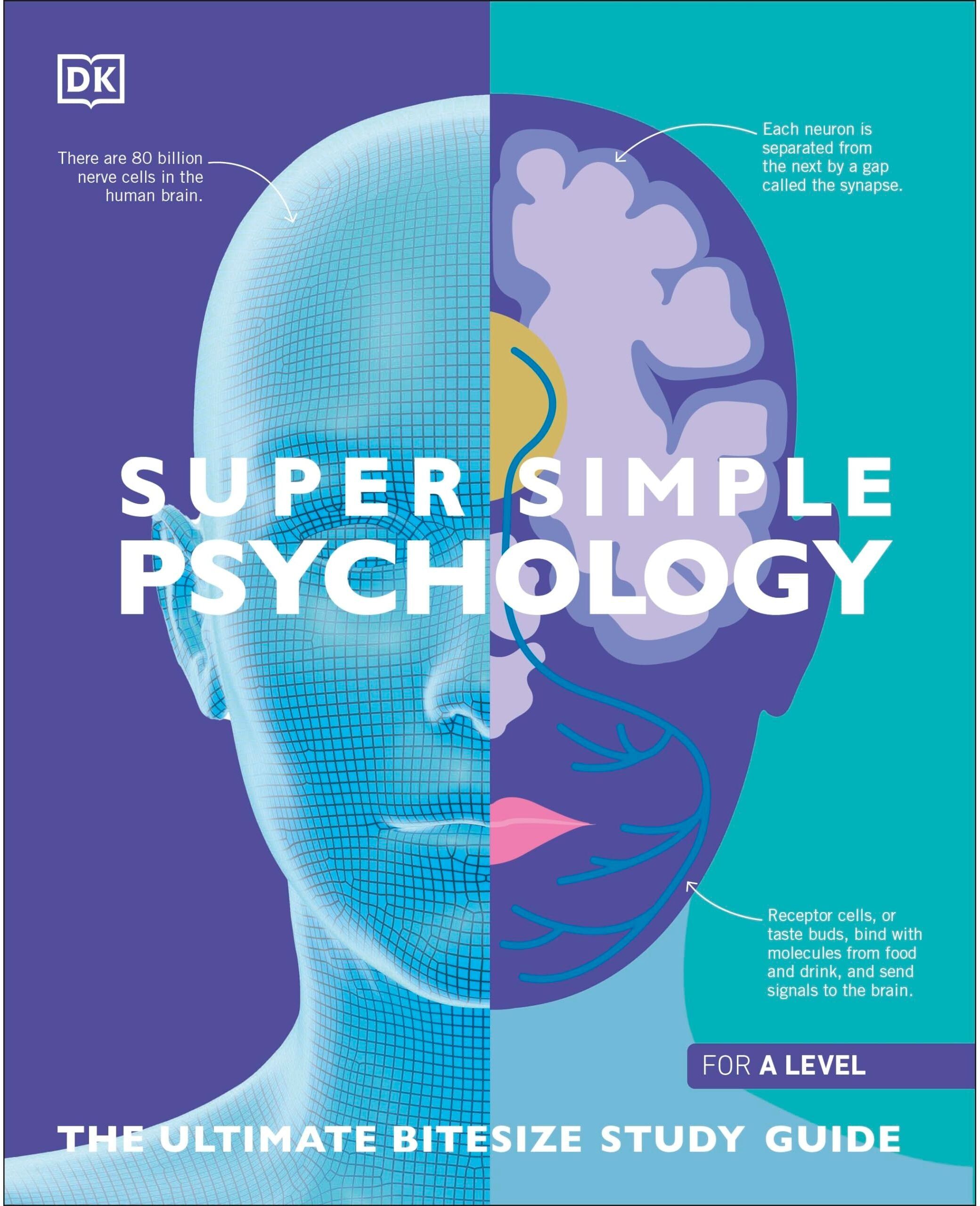
Super Simple Psychology: The Ultimate Bitesize Study Guide (DK Super Simple)Expand your Psychology knowledge with this easy-to-use study guide which has everything A Level students need to get to grips with this fascinating subject. Super Simple Psychology breaks down complex information into manageable, bitesize chunks, and it covers all the key topics, ranging from brain anatomy and memory to phobias and types of therapy. With clear and straightforward coverage of all the core Psychology topics, this is the ideal companion for students looking for concise information to support them with classwork, homework, and exams. This psychology study guide offers: - Material that supports A Level and International Baccalaureate curriculum, complementing coursework and exam revision. - An easy-to-use layout, with one topic per page and key facts for every topic. - Visual explanations that help tackle complex topics and make learning straightforward. Super Simple Psychology contains all the essential topics for A Level Psychology in one handy study guide. Each page covers one topic and is designed and illustrated to make the facts easy to understand and remember and to bring the subject to life. Information panels explain and analyse key theories and studies with the help of simple graphics and a useful "Key facts" box on every page provides a summary to help with revision.6,79 £*Shipping: 2,99 £Secure redirect to the provider
-
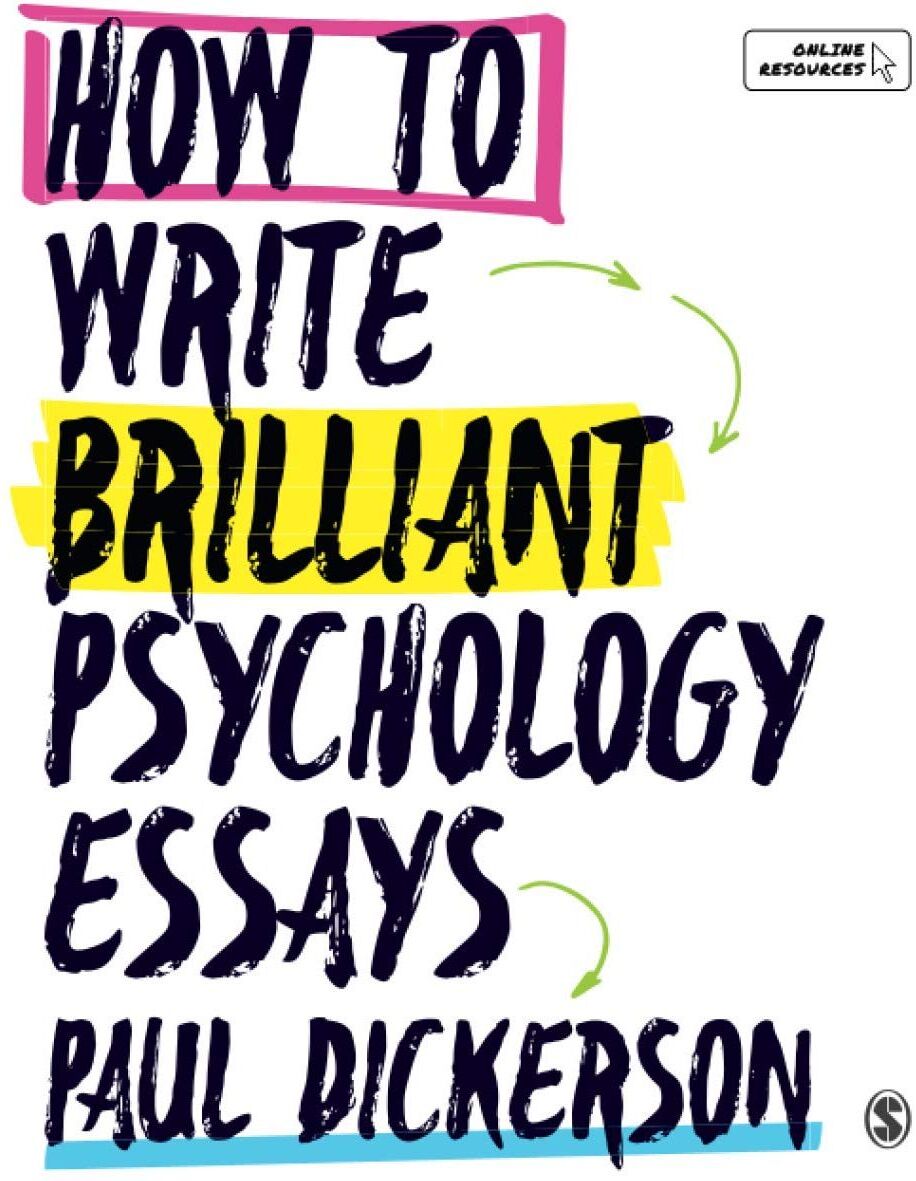
SAGE Publications How to Write Brilliant Psychology Essays by Paul DickersonEssay writing is a key part of the Psychology degree and knowing how to write effective and compelling academic essays is key to success. Whether it′s understanding how to implement feedback you receive on essays, how to stop procrastinating or what makes an effective introduction, this book covers it all. Drawing on insights derived from teaching thousands of students over a 25-year period How to Write Brilliant Psychology Essays provides the keys that will unlock your writing potential. Ace your Assignment provide practical tips to help succeed Exercises help try the theory out in practice Take away points highlight the key learnings from each chapter Online resources provide even more help and guidance.17,49 £*Shipping: 2,99 £Secure redirect to the provider
-
Is it possible to conduct research in psychology without having completed a degree in psychology?
Yes, it is possible to conduct research in psychology without having completed a degree in psychology. However, having a degree in psychology or a related field can provide a strong foundation in research methods, ethics, and theory. Individuals without a degree in psychology can still conduct research by collaborating with researchers who have the necessary expertise, attending workshops or training programs, and self-studying relevant literature. It is important to ensure that the research is conducted ethically and follows established guidelines and protocols. **
-
What belongs to long-term assets?
Long-term assets typically include items such as property, plant, and equipment, investments in other companies, intangible assets like patents or trademarks, and long-term investments. These assets are expected to provide benefits to the company for more than one year and are not intended for immediate sale or conversion into cash. Long-term assets are essential for the company's operations and growth over an extended period. **
-
How can I formulate the research question in psychology?
Formulating a research question in psychology involves identifying a specific topic of interest and then narrowing it down to a focused and answerable question. Start by identifying a broad area of interest within psychology, such as cognitive psychology or social psychology. Then, narrow down the topic to a specific aspect or phenomenon that you want to investigate. Finally, formulate a clear and concise question that outlines the specific variables or concepts you want to study and the relationship between them. It's important to ensure that the research question is feasible, relevant, and contributes to the existing knowledge in the field. **
-
Can I write a research paper on criminal psychology?
Yes, you can definitely write a research paper on criminal psychology. Criminal psychology is a fascinating and important field that explores the intersection of psychology and criminal behavior. You can explore topics such as the psychological factors that contribute to criminal behavior, the role of mental illness in criminal acts, the effectiveness of psychological interventions in reducing criminal behavior, and much more. Just make sure to thoroughly research your topic and use credible sources to support your arguments. **
* All prices are inclusive of VAT and, if applicable, plus shipping costs. The offer information is based on the details provided by the respective shop and is updated through automated processes. Real-time updates do not occur, so deviations can occur in individual cases. ** Note: Parts of this content were created by AI.