Buy investingtips.eu ?
We are moving the project
investingtips.eu .
Are you interested in purchasing the domain
investingtips.eu ?
domain@kv-gmbh.de · 0541-91531010
Buy investingtips.eu ?
What are sigma and pi bonds in chemistry?
In chemistry, sigma and pi bonds are types of covalent bonds that hold atoms together in a molecule. A sigma bond is formed by the direct overlap of atomic orbitals, allowing for the free rotation of atoms around the bond axis. On the other hand, a pi bond is formed by the side-to-side overlap of p orbitals, which restricts the rotation of atoms around the bond axis. Both types of bonds are important for understanding the structure and properties of molecules. **
What are the differences between covalent bonds, metallic bonds, and ionic bonds?
Covalent bonds are formed when two atoms share electrons, resulting in a strong bond between the atoms. Metallic bonds occur between metal atoms, where the electrons are delocalized and free to move throughout the structure, creating a strong bond. Ionic bonds are formed between a metal and a nonmetal, where one atom transfers electrons to the other, resulting in the formation of positively and negatively charged ions that are attracted to each other. Overall, covalent bonds involve electron sharing, metallic bonds involve electron delocalization, and ionic bonds involve electron transfer. **


Similar search terms for Pi-bonds
Top-Angebote
Products related to Pi-bonds:
-
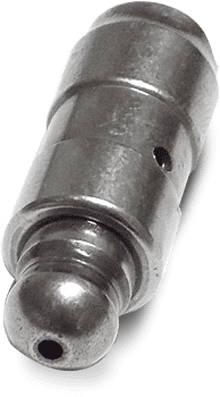
FRECCIA PI 06-0046 TappetFitting Position: Exhaust Side, Intake Side; Height: 29,900; Diameter: 12; Operating Mode: hydraulic; TecDoc Engine Number: 24934, 25076, 24936, 25101, 34209, 25564, 28251, 20893, 25563, 27048, 25084, 24069, 32308, 27050, 26581, 24546, 25562, 28249, 23516, 32319, 32311, 34215, 18564, 23766, 34865, 31969, 20086, 24547, 24723, 24728, 24067, 26999, 24725, 24724, 24694, 33157, 24695, 24933, 27999, 24702, 32314, 25065, 34208, 31763, 38530, 29266, 31847, 34216, 28090, 34220, 34221, 34218, 37260, 32419, 34223, 33001, 32757, 34487, 34217, 33800, 35299, 35077, 43020, 36124, 35373, 35838, 45125, 35384, 35529, 36121, 35973, 39239, 36116, 36095, 36096, 36185, 36198, 37231, 37232, 46540, 39371, 41184, 39705, 39706, 41489, 38654, 39241, 47552, 45699, 47617, 483897,99 £*Shipping: 8,45 £Secure redirect to the provider
-
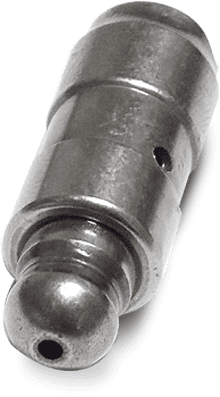
FRECCIA PI 06-0009 TappetFitting Position: Intake Side, Exhaust Side; Height: 68; Diameter: 21,400; Operating Mode: hydraulic; TecDoc Engine Number: 4811, 4737, 4749, 4734, 4810, 4740, 4812, 4735, 4742, 2734, 4813, 4750, 4752, 4751, 4754, 4744, 4819, 4787, 2736, 17568, 17574, 17581, 17618, 17623, 17622, 17570, 17573, 17571, 4718, 17553, 17619, 17552, 17621, 9506, 9507, 4753, 18375, 14008, 17620, 17630, 22052, 4719, 18901, 22482, 412, 410, 413, 24912, 341775,29 £*Shipping: 8,45 £Secure redirect to the provider
-
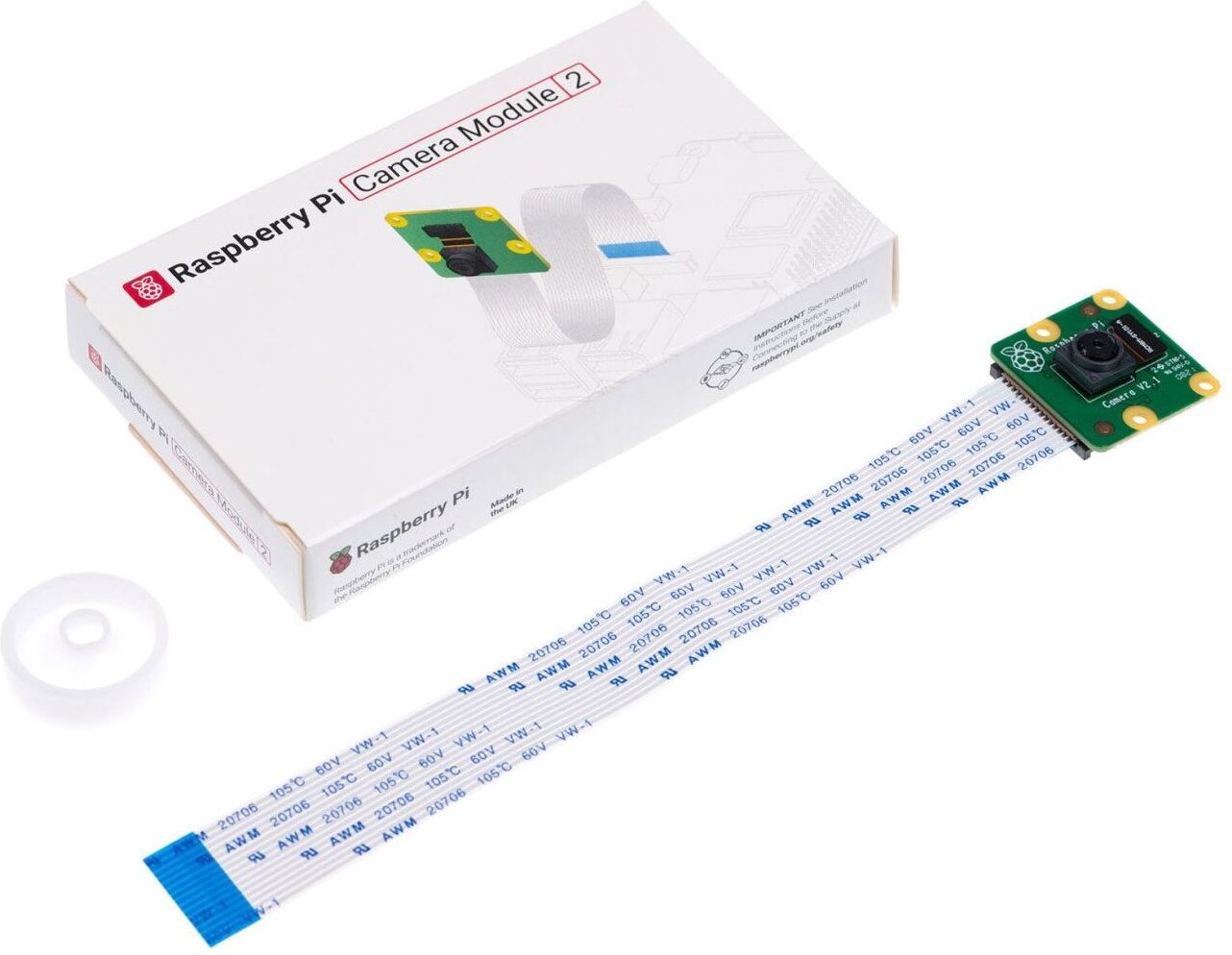
Raspberry Pi - Raspberry Camera Module V2, NewUnlock the full potential of your Raspberry Pi projects with the Raspberry Pi Camera Module V2 . This high-quality, 8-megapixel camera is designed to seamlessly integrate with all Raspberry Pi boards, making it perfect for photography, video recording, time-lapse projects, surveillance systems, and even machine learning applications. Built with the Sony IMX219 image sensor, the Camera Module V2 delivers crystal-clear images and smooth 1080p HD video, bringing professional-level performance to your DIY builds and tech experiments. ✅ 8MP Sony IMX219 Sensor – Capture high-resolution still images and full HD video with exceptional clarity. ✅ 1080p HD Video Recording – Record smooth video at 30fps, or go for 720p at 60fps for slow-motion shots. ✅ Raspberry Pi Compatible – Works with all Raspberry Pi models via the dedicated CSI interface. ✅ Compact & Lightweight Design – Perfect for embedded projects and portable applications. ✅ Infrared-Compatible Version Available – Ideal for night vision and low-light projects (with IR version). ✅ Wide Range of Applications – Great for home security, wildlife monitoring, facial recognition, and more. ✅ Plug-and-Play Setup – Easy connection and quick configuration using Raspberry Pi OS. ✅ Adjustable Focus – Customize image sharpness for your specific project needs. ✅ Broad Software Support – Compatible with Python, OpenCV, and various Pi camera libraries. ✅ Durable PCB Build – Designed for long-term use with reliable performance in DIY and professional environments. The Raspberry Pi Camera Module V2 is a must-have tool for any tech enthusiast, hobbyist, or developer looking to add high-quality imaging capabilities to their Raspberry Pi setup. Whether you're building a robot, home automation system, or video stream solution, this camera module delivers professional results in a tiny, versatile package.11,99 £*Shipping: 0,00 £Secure redirect to the provider

-
Do CO bonds form with other CO bonds?
No, CO bonds do not typically form with other CO bonds. Carbon monoxide (CO) is a stable molecule with a triple bond between the carbon and oxygen atoms. This triple bond is strong and does not readily form additional bonds with other CO molecules. Instead, CO molecules tend to interact with other types of molecules through various types of chemical reactions. **
-
Why are intermolecular bonds weaker than electron pair bonds?
Intermolecular bonds are weaker than electron pair bonds because they involve interactions between molecules rather than within a single molecule. In intermolecular bonds, the attractive forces between molecules are generally weaker than the covalent bonds that hold atoms together within a molecule. Additionally, intermolecular bonds are typically temporary and can be easily broken, whereas electron pair bonds are strong and stable. Overall, the weaker nature of intermolecular bonds allows molecules to move and interact with each other more freely. **
-
Why are intermolecular bonds generally weaker than covalent bonds?
Intermolecular bonds are generally weaker than covalent bonds because they involve interactions between molecules rather than within a single molecule. Covalent bonds involve the sharing of electrons between atoms, creating strong bonds within a molecule. In contrast, intermolecular bonds, such as hydrogen bonds or van der Waals forces, are weaker because they are based on temporary interactions between molecules, which can be easily broken. Additionally, intermolecular bonds are influenced by factors such as distance and orientation, further contributing to their weaker nature compared to covalent bonds. **
-
Why are intermolecular bonds typically weaker than covalent bonds?
Intermolecular bonds are typically weaker than covalent bonds because they involve interactions between molecules rather than within a single molecule. In intermolecular bonds, the attractive forces between molecules, such as van der Waals forces or hydrogen bonding, are weaker than the strong sharing of electrons in covalent bonds. Additionally, intermolecular bonds are more easily broken or disrupted by changes in temperature or pressure, leading to lower bond energies compared to covalent bonds. **


Why are intermolecular bonds generally weaker than electron pair bonds?
Intermolecular bonds are generally weaker than electron pair bonds because they involve interactions between molecules, which are larger and less localized than the interactions between atoms in a covalent bond. In intermolecular bonds, the attractive forces are typically weaker due to the larger distance between molecules and the lack of direct sharing of electrons. In contrast, electron pair bonds involve the sharing of electrons between atoms, leading to stronger and more localized bonding interactions. **
Why are intermolecular bonds typically weaker than electron pair bonds?
Intermolecular bonds are typically weaker than electron pair bonds because they involve interactions between molecules rather than within a single molecule. In intermolecular bonds, the attractive forces between molecules are generally weaker than the covalent bonds that hold atoms together within a molecule. Additionally, intermolecular bonds are usually based on weaker forces such as van der Waals forces, hydrogen bonding, or dipole-dipole interactions, which are not as strong as the sharing or transfer of electrons in covalent or ionic bonds. **
Top-Angebote
Products related to Pi-bonds:
-
FRECCIA PI 06-0046 TappetFitting Position: Exhaust Side, Intake Side; Height: 29,900; Diameter: 12; Operating Mode: hydraulic; TecDoc Engine Number: 24934, 25076, 24936, 25101, 34209, 25564, 28251, 20893, 25563, 27048, 25084, 24069, 32308, 27050, 26581, 24546, 25562, 28249, 23516, 32319, 32311, 34215, 18564, 23766, 34865, 31969, 20086, 24547, 24723, 24728, 24067, 26999, 24725, 24724, 24694, 33157, 24695, 24933, 27999, 24702, 32314, 25065, 34208, 31763, 38530, 29266, 31847, 34216, 28090, 34220, 34221, 34218, 37260, 32419, 34223, 33001, 32757, 34487, 34217, 33800, 35299, 35077, 43020, 36124, 35373, 35838, 45125, 35384, 35529, 36121, 35973, 39239, 36116, 36095, 36096, 36185, 36198, 37231, 37232, 46540, 39371, 41184, 39705, 39706, 41489, 38654, 39241, 47552, 45699, 47617, 483897,99 £*Shipping: 8,45 £Secure redirect to the provider
-
FRECCIA PI 06-0009 TappetFitting Position: Intake Side, Exhaust Side; Height: 68; Diameter: 21,400; Operating Mode: hydraulic; TecDoc Engine Number: 4811, 4737, 4749, 4734, 4810, 4740, 4812, 4735, 4742, 2734, 4813, 4750, 4752, 4751, 4754, 4744, 4819, 4787, 2736, 17568, 17574, 17581, 17618, 17623, 17622, 17570, 17573, 17571, 4718, 17553, 17619, 17552, 17621, 9506, 9507, 4753, 18375, 14008, 17620, 17630, 22052, 4719, 18901, 22482, 412, 410, 413, 24912, 341775,29 £*Shipping: 8,45 £Secure redirect to the provider
-
What are sigma and pi bonds in chemistry?
In chemistry, sigma and pi bonds are types of covalent bonds that hold atoms together in a molecule. A sigma bond is formed by the direct overlap of atomic orbitals, allowing for the free rotation of atoms around the bond axis. On the other hand, a pi bond is formed by the side-to-side overlap of p orbitals, which restricts the rotation of atoms around the bond axis. Both types of bonds are important for understanding the structure and properties of molecules. **
-
What are the differences between covalent bonds, metallic bonds, and ionic bonds?
Covalent bonds are formed when two atoms share electrons, resulting in a strong bond between the atoms. Metallic bonds occur between metal atoms, where the electrons are delocalized and free to move throughout the structure, creating a strong bond. Ionic bonds are formed between a metal and a nonmetal, where one atom transfers electrons to the other, resulting in the formation of positively and negatively charged ions that are attracted to each other. Overall, covalent bonds involve electron sharing, metallic bonds involve electron delocalization, and ionic bonds involve electron transfer. **
-
Do CO bonds form with other CO bonds?
No, CO bonds do not typically form with other CO bonds. Carbon monoxide (CO) is a stable molecule with a triple bond between the carbon and oxygen atoms. This triple bond is strong and does not readily form additional bonds with other CO molecules. Instead, CO molecules tend to interact with other types of molecules through various types of chemical reactions. **
-
Why are intermolecular bonds weaker than electron pair bonds?
Intermolecular bonds are weaker than electron pair bonds because they involve interactions between molecules rather than within a single molecule. In intermolecular bonds, the attractive forces between molecules are generally weaker than the covalent bonds that hold atoms together within a molecule. Additionally, intermolecular bonds are typically temporary and can be easily broken, whereas electron pair bonds are strong and stable. Overall, the weaker nature of intermolecular bonds allows molecules to move and interact with each other more freely. **
Similar search terms for Pi-bonds
-
Raspberry Pi - Raspberry Camera Module V2, NewUnlock the full potential of your Raspberry Pi projects with the Raspberry Pi Camera Module V2 . This high-quality, 8-megapixel camera is designed to seamlessly integrate with all Raspberry Pi boards, making it perfect for photography, video recording, time-lapse projects, surveillance systems, and even machine learning applications. Built with the Sony IMX219 image sensor, the Camera Module V2 delivers crystal-clear images and smooth 1080p HD video, bringing professional-level performance to your DIY builds and tech experiments. ✅ 8MP Sony IMX219 Sensor – Capture high-resolution still images and full HD video with exceptional clarity. ✅ 1080p HD Video Recording – Record smooth video at 30fps, or go for 720p at 60fps for slow-motion shots. ✅ Raspberry Pi Compatible – Works with all Raspberry Pi models via the dedicated CSI interface. ✅ Compact & Lightweight Design – Perfect for embedded projects and portable applications. ✅ Infrared-Compatible Version Available – Ideal for night vision and low-light projects (with IR version). ✅ Wide Range of Applications – Great for home security, wildlife monitoring, facial recognition, and more. ✅ Plug-and-Play Setup – Easy connection and quick configuration using Raspberry Pi OS. ✅ Adjustable Focus – Customize image sharpness for your specific project needs. ✅ Broad Software Support – Compatible with Python, OpenCV, and various Pi camera libraries. ✅ Durable PCB Build – Designed for long-term use with reliable performance in DIY and professional environments. The Raspberry Pi Camera Module V2 is a must-have tool for any tech enthusiast, hobbyist, or developer looking to add high-quality imaging capabilities to their Raspberry Pi setup. Whether you're building a robot, home automation system, or video stream solution, this camera module delivers professional results in a tiny, versatile package.11,99 £*Shipping: 0,00 £Secure redirect to the provider
-
Inspired Finds Eternal Bonds Personalized Acrylic Photo Frame & Custom Couple Plaque Gift warm LightCapture Your Timeless Connection. Turn your most meaningful moments into a lasting keepsake with this elegant personalized acrylic photo frame. Designed specifically for couples who value memories that matter, this sleek, transparent display piece...110,99 $*Shipping: 0,00 $Secure redirect to the provider
-
Midwest Tool Pneumatic Vinyl Fence Notcher Heads Only 1/4 Inch VFN-PIThe Midwest Tool Pneumatic Vinyl Fence Notcher Heads notch vinyl fence rails and pickets. They are fast and powerful and increase the workload by reducing material handling. Made in the USA this product has a variety of heads listed below to fit...261,99 $*Shipping: 0,00 $Secure redirect to the provider
-
Why are intermolecular bonds generally weaker than covalent bonds?
Intermolecular bonds are generally weaker than covalent bonds because they involve interactions between molecules rather than within a single molecule. Covalent bonds involve the sharing of electrons between atoms, creating strong bonds within a molecule. In contrast, intermolecular bonds, such as hydrogen bonds or van der Waals forces, are weaker because they are based on temporary interactions between molecules, which can be easily broken. Additionally, intermolecular bonds are influenced by factors such as distance and orientation, further contributing to their weaker nature compared to covalent bonds. **
-
Why are intermolecular bonds typically weaker than covalent bonds?
Intermolecular bonds are typically weaker than covalent bonds because they involve interactions between molecules rather than within a single molecule. In intermolecular bonds, the attractive forces between molecules, such as van der Waals forces or hydrogen bonding, are weaker than the strong sharing of electrons in covalent bonds. Additionally, intermolecular bonds are more easily broken or disrupted by changes in temperature or pressure, leading to lower bond energies compared to covalent bonds. **
-
Why are intermolecular bonds generally weaker than electron pair bonds?
Intermolecular bonds are generally weaker than electron pair bonds because they involve interactions between molecules, which are larger and less localized than the interactions between atoms in a covalent bond. In intermolecular bonds, the attractive forces are typically weaker due to the larger distance between molecules and the lack of direct sharing of electrons. In contrast, electron pair bonds involve the sharing of electrons between atoms, leading to stronger and more localized bonding interactions. **
-
Why are intermolecular bonds typically weaker than electron pair bonds?
Intermolecular bonds are typically weaker than electron pair bonds because they involve interactions between molecules rather than within a single molecule. In intermolecular bonds, the attractive forces between molecules are generally weaker than the covalent bonds that hold atoms together within a molecule. Additionally, intermolecular bonds are usually based on weaker forces such as van der Waals forces, hydrogen bonding, or dipole-dipole interactions, which are not as strong as the sharing or transfer of electrons in covalent or ionic bonds. **
* All prices are inclusive of VAT and, if applicable, plus shipping costs. The offer information is based on the details provided by the respective shop and is updated through automated processes. Real-time updates do not occur, so deviations can occur in individual cases. ** Note: Parts of this content were created by AI.